Buy overgame.eu ?
We are moving the project
overgame.eu .
Are you interested in purchasing the domain
overgame.eu ?
domain@kv-gmbh.de · 0541-91531010
Buy overgame.eu ?
What happens during a neurological examination?
During a neurological examination, a healthcare professional will assess the patient's nervous system function, including their mental status, cranial nerves, motor function, sensory function, reflexes, and coordination. This may involve asking the patient questions to evaluate their mental status, testing their vision, hearing, and other cranial nerve functions, assessing their muscle strength and tone, checking their ability to feel sensations, and evaluating their reflexes and coordination. The examination helps the healthcare provider to identify any abnormalities or signs of neurological conditions. **
What are neurological complaints?
Neurological complaints refer to symptoms or issues related to the nervous system, which includes the brain, spinal cord, and nerves. These complaints can manifest as a wide range of symptoms such as headaches, dizziness, numbness or tingling, muscle weakness, memory problems, and coordination difficulties. It is important to seek medical attention if experiencing any neurological complaints as they can be indicative of underlying health conditions that may require treatment. **

Similar search terms for Elsevier-Neurological-Examination-Made
Top-Angebote
Products related to Elsevier-Neurological-Examination-Made:
-
Elsevier Mayes' MidwiferyMayes' Midwifery is a core text for students in the UK, known and loved for its in-depth approach and its close alignment with curricula and practice in this country. The sixteenth edition has been fully updated by leading midwifery educators Sue Macdonald and Gail Johnson, and input from several new expert contributors ensures this book remains at the cutting edge. The text covers all the main aspects of midwifery in detail, including the various stages of pregnancy, possible complexities around childbirth, and psychological and social considerations related to women's health. It provides the most recent evidence along with detailed anatomy and physiology information, and how these translate into practice. Packed full of case studies, reflective activities and images, and accompanied by an ancillary website with 600 multiple choice questions and downloadable images, Mayes' Midwifery makes learning easy for nursing students entering the profession as well as midwives returning to practice and qualified midwives working in different settings in the UK and overseas. Expert contributors include midwifery academics and clinicians, researchers, physiotherapists, neonatal nurse specialists, social scientists and legal experts Learning outcomes and key points to support structured study Reflective activities to apply theory to practice Figures, tables and breakout boxes help navigation and revision Associated online resources with over 600 MCQs, reflective activities, case studies, downloadable image bank to help with essay and assignment preparation Further reading to deepen knowledge and understanding New chapters addressing the issues around being a student midwife and entering the profession More detail about FGM and its legal implications, as well as transgender/binary individuals in pregnancy and childbirth New information on infection and control following from the COVID-19 pandemic Enhanced artwork program43,80 £*Shipping: 0,00 £Secure redirect to the provider

-
What is a neurological disease?
A neurological disease is a disorder that affects the brain, spinal cord, and nerves throughout the body. These diseases can result from various causes, such as genetics, infections, trauma, or autoimmune responses. Symptoms of neurological diseases can vary widely depending on the specific condition but may include issues with movement, sensation, cognition, or other neurological functions. Treatment for neurological diseases often involves a combination of medications, therapy, and lifestyle modifications to manage symptoms and improve quality of life. **
-
What does neurological consultation mean?
Neurological consultation refers to the process of seeking advice and expertise from a neurologist, a medical doctor who specializes in the diagnosis and treatment of disorders of the nervous system. This consultation may be sought for a variety of reasons, such as the evaluation of symptoms like headaches, dizziness, or weakness, or for the management of chronic neurological conditions like epilepsy or multiple sclerosis. During the consultation, the neurologist will conduct a thorough evaluation, which may include a physical examination, review of medical history, and possibly additional testing such as imaging studies or nerve conduction tests, in order to provide a diagnosis and recommend a treatment plan. **
-
Does the cat have something neurological?
Without further information or a proper examination by a veterinarian, it is impossible to determine if the cat has something neurological. Symptoms such as head tilting, circling, seizures, or changes in behavior could indicate a neurological issue. It is important to consult a veterinarian for a proper diagnosis and treatment plan. **
-
What is the second neurological question?
The second neurological question is typically related to the patient's sensory function. This may involve asking about any changes in sensation, such as numbness, tingling, or loss of feeling in specific areas of the body. The healthcare provider may also inquire about the patient's ability to perceive different types of sensation, such as light touch, temperature, and vibration. This information helps the provider assess the function of the patient's sensory nerves and identify any potential neurological issues. **
Is the examination request made by the driving school?
No, the examination request is not made by the driving school. It is typically made by the individual who is seeking to obtain their driver's license. The driving school may assist the individual in preparing for the exam and providing guidance on the process, but ultimately it is the responsibility of the individual to request the examination. **
How long does a neurological rehabilitation last?
The duration of neurological rehabilitation varies depending on the individual's condition, severity of the injury, and progress made during the rehabilitation process. It can last anywhere from a few weeks to several months, or even years in some cases. The goal of neurological rehabilitation is to help the individual regain function and independence, so the duration of the program is tailored to meet the specific needs and goals of the patient. **
Top-Angebote
Products related to Elsevier-Neurological-Examination-Made:
-
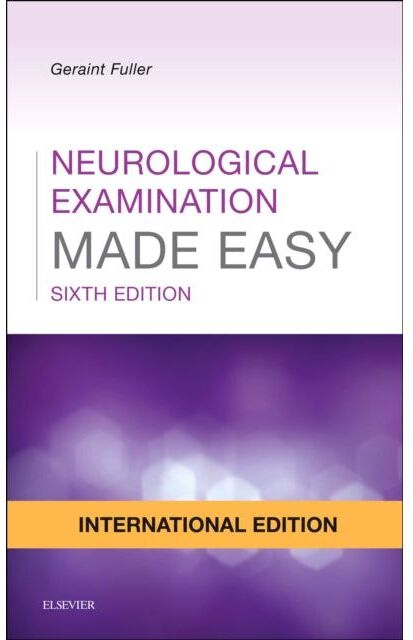
Elsevier Neurological Examination Made Easy International EditionNeurological clinical examinations are some of the most intimidating procedures medical students, Junior doctors and residents have to perform. This book’s clear, succinct explanations and simple/memorable line drawings, along with top tips/common mistakes boxes, combine to demystify the subject and offer straightforward guidance. The spectacular success of the book over many years demonstrates that it succeeds more than any other resource available. This 6th edition will ensure the content remains as fresh, current and easy to interpret as ever.15,99 £*Shipping: 2,99 £Secure redirect to the provider
-
Elsevier The ECG Made EasyFor over forty years The ECG Made Easy has been regarded as the best introductory guide to the ECG, with sales of over half a million copies as well as being translated into more than a dozen languages. Hailed by the British Medical Journal as a "medical classic", it has been a favourite of generations of medical and health care staff who require clear, basic knowledge about the ECG. This famous book encourages the reader to accept that the ECG is easy to understand and that its use is just a natural extension of taking the patient's history and performing a physical examination. It directs users of the electrocardiogram to straightforward and accurate identification of normal and abnormal ECG patterns. A practical and highly informative guide to a difficult subject. Provides a full understanding of the ECG in the diagnosis and management of abnormal cardiac rhythms. Emphasises the role of the full 12 lead ECG with realistic reproduction of recordings. The unique page size allows presentation of 12-lead ECGs across a single page for clarity.12,99 £*Shipping: 2,99 £Secure redirect to the provider
-
Elsevier Mayes' MidwiferyMayes' Midwifery is a core text for students in the UK, known and loved for its in-depth approach and its close alignment with curricula and practice in this country. The sixteenth edition has been fully updated by leading midwifery educators Sue Macdonald and Gail Johnson, and input from several new expert contributors ensures this book remains at the cutting edge. The text covers all the main aspects of midwifery in detail, including the various stages of pregnancy, possible complexities around childbirth, and psychological and social considerations related to women's health. It provides the most recent evidence along with detailed anatomy and physiology information, and how these translate into practice. Packed full of case studies, reflective activities and images, and accompanied by an ancillary website with 600 multiple choice questions and downloadable images, Mayes' Midwifery makes learning easy for nursing students entering the profession as well as midwives returning to practice and qualified midwives working in different settings in the UK and overseas. Expert contributors include midwifery academics and clinicians, researchers, physiotherapists, neonatal nurse specialists, social scientists and legal experts Learning outcomes and key points to support structured study Reflective activities to apply theory to practice Figures, tables and breakout boxes help navigation and revision Associated online resources with over 600 MCQs, reflective activities, case studies, downloadable image bank to help with essay and assignment preparation Further reading to deepen knowledge and understanding New chapters addressing the issues around being a student midwife and entering the profession More detail about FGM and its legal implications, as well as transgender/binary individuals in pregnancy and childbirth New information on infection and control following from the COVID-19 pandemic Enhanced artwork program43,80 £*Shipping: 0,00 £Secure redirect to the provider
-
What happens during a neurological examination?
During a neurological examination, a healthcare professional will assess the patient's nervous system function, including their mental status, cranial nerves, motor function, sensory function, reflexes, and coordination. This may involve asking the patient questions to evaluate their mental status, testing their vision, hearing, and other cranial nerve functions, assessing their muscle strength and tone, checking their ability to feel sensations, and evaluating their reflexes and coordination. The examination helps the healthcare provider to identify any abnormalities or signs of neurological conditions. **
-
What are neurological complaints?
Neurological complaints refer to symptoms or issues related to the nervous system, which includes the brain, spinal cord, and nerves. These complaints can manifest as a wide range of symptoms such as headaches, dizziness, numbness or tingling, muscle weakness, memory problems, and coordination difficulties. It is important to seek medical attention if experiencing any neurological complaints as they can be indicative of underlying health conditions that may require treatment. **
-
What is a neurological disease?
A neurological disease is a disorder that affects the brain, spinal cord, and nerves throughout the body. These diseases can result from various causes, such as genetics, infections, trauma, or autoimmune responses. Symptoms of neurological diseases can vary widely depending on the specific condition but may include issues with movement, sensation, cognition, or other neurological functions. Treatment for neurological diseases often involves a combination of medications, therapy, and lifestyle modifications to manage symptoms and improve quality of life. **
-
What does neurological consultation mean?
Neurological consultation refers to the process of seeking advice and expertise from a neurologist, a medical doctor who specializes in the diagnosis and treatment of disorders of the nervous system. This consultation may be sought for a variety of reasons, such as the evaluation of symptoms like headaches, dizziness, or weakness, or for the management of chronic neurological conditions like epilepsy or multiple sclerosis. During the consultation, the neurologist will conduct a thorough evaluation, which may include a physical examination, review of medical history, and possibly additional testing such as imaging studies or nerve conduction tests, in order to provide a diagnosis and recommend a treatment plan. **
Similar search terms for Elsevier-Neurological-Examination-Made
-
Does the cat have something neurological?
Without further information or a proper examination by a veterinarian, it is impossible to determine if the cat has something neurological. Symptoms such as head tilting, circling, seizures, or changes in behavior could indicate a neurological issue. It is important to consult a veterinarian for a proper diagnosis and treatment plan. **
-
What is the second neurological question?
The second neurological question is typically related to the patient's sensory function. This may involve asking about any changes in sensation, such as numbness, tingling, or loss of feeling in specific areas of the body. The healthcare provider may also inquire about the patient's ability to perceive different types of sensation, such as light touch, temperature, and vibration. This information helps the provider assess the function of the patient's sensory nerves and identify any potential neurological issues. **
-
Is the examination request made by the driving school?
No, the examination request is not made by the driving school. It is typically made by the individual who is seeking to obtain their driver's license. The driving school may assist the individual in preparing for the exam and providing guidance on the process, but ultimately it is the responsibility of the individual to request the examination. **
-
How long does a neurological rehabilitation last?
The duration of neurological rehabilitation varies depending on the individual's condition, severity of the injury, and progress made during the rehabilitation process. It can last anywhere from a few weeks to several months, or even years in some cases. The goal of neurological rehabilitation is to help the individual regain function and independence, so the duration of the program is tailored to meet the specific needs and goals of the patient. **
* All prices are inclusive of VAT and, if applicable, plus shipping costs. The offer information is based on the details provided by the respective shop and is updated through automated processes. Real-time updates do not occur, so deviations can occur in individual cases. ** Note: Parts of this content were created by AI.